
The IEX Approach
Metal impurity problems need to be addressed proactively rather than at a point of batch failure or regulatory review.
By designing a targeted scavenging solution around the specific impurity, process stream, and specification required, IEX embeds control into the process.
Because IEX manufactures its own functional materials and works closely with clients through process development and deployment, the solution is validated to perform at the required specification consistently, batch after batch.
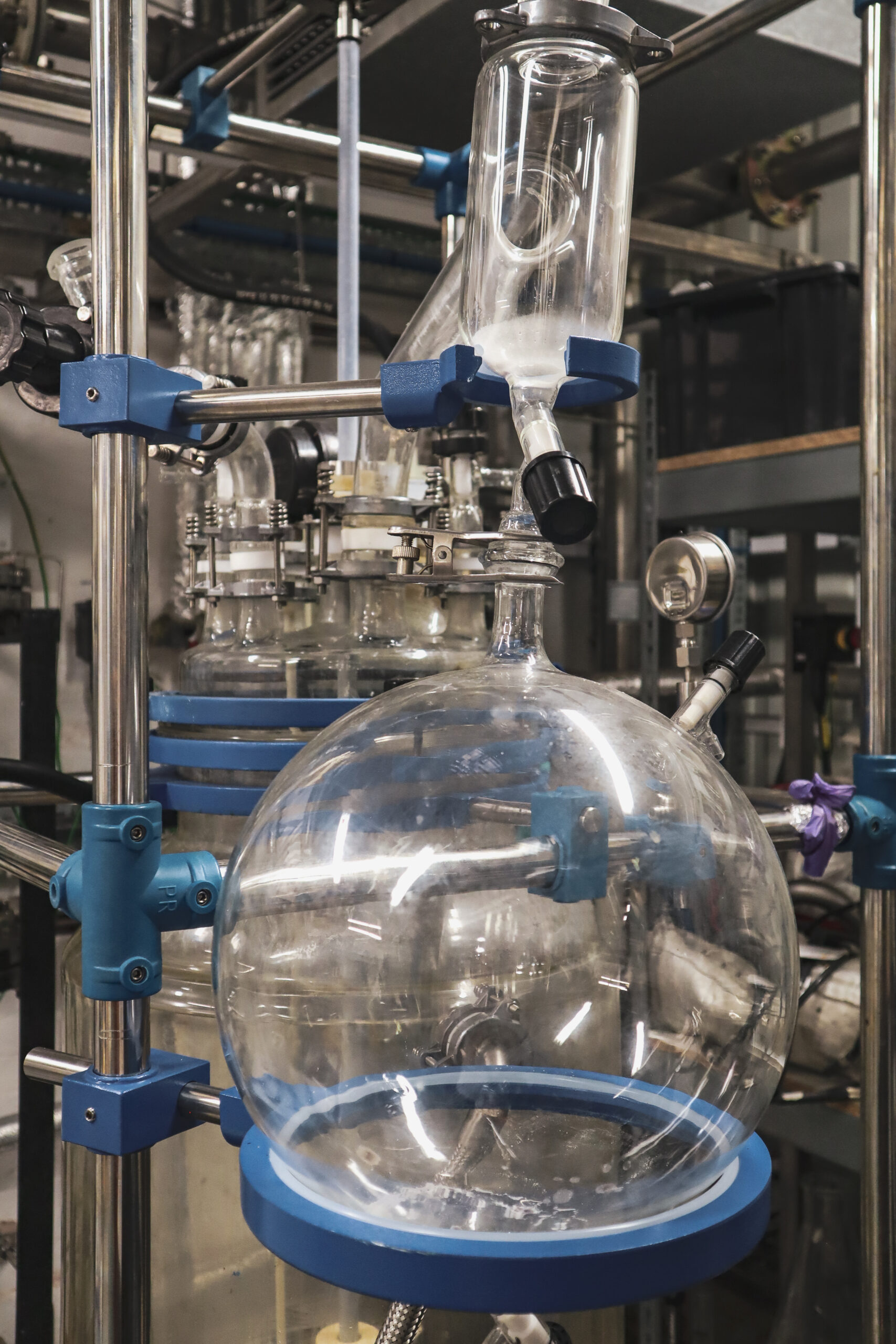
Product Purification
Removal of residual metal impurities from final or intermediate product streams to meet regulatory specification.
Applicable across pharmaceutical, agrochemical, and fine chemical manufacturing industries. Where catalyst-derived metals including palladium, platinum, nickel, cobalt, copper, must be reduced to parts-per-million or sub-ppm levels prior to product release.


Catalyst & Metal Impurity Removal
Targeted removal of metals introduced through homogeneous and heterogeneous catalyst systems.
Common applications include palladium-catalysed cross-coupling reactions in pharmaceutical synthesis, where residual catalyst metal must be reliably removed to meet product specification at scale.
Trace-Level Contaminant Control
Sustained control of trace metal ions within recirculating process systems, plating baths, and in-process streams.
Applicable in electronics and semiconductor manufacturing where even sub-ppm metal contamination can cause surface defects, yield loss, and process reliability failures.

Outcomes
Partnering with IEX Technologies on impurity control allows organisations to achieve the following outcomes:
 Reliable reduction of metal impurities to within regulatory specification.
Reduced batch failure and reprocessing costs.
Improved process consistency and audit defensibility.
Reduced deviation risk in validated manufacturing environments.
Where impurity concentrations allow, secondary recovery of precious metal value from spent scavenger.

Talk to the IEX Technical Team
If metal impurities are affecting your product quality, batch release, or process performance, IEX can help you identify the right solution and validate it for your specific stream and specification.